← Back to BillCut Daily
Egg Prices Are Falling Fast — Here's What Changed — egg prices…
Persona #1 · Vol: 0
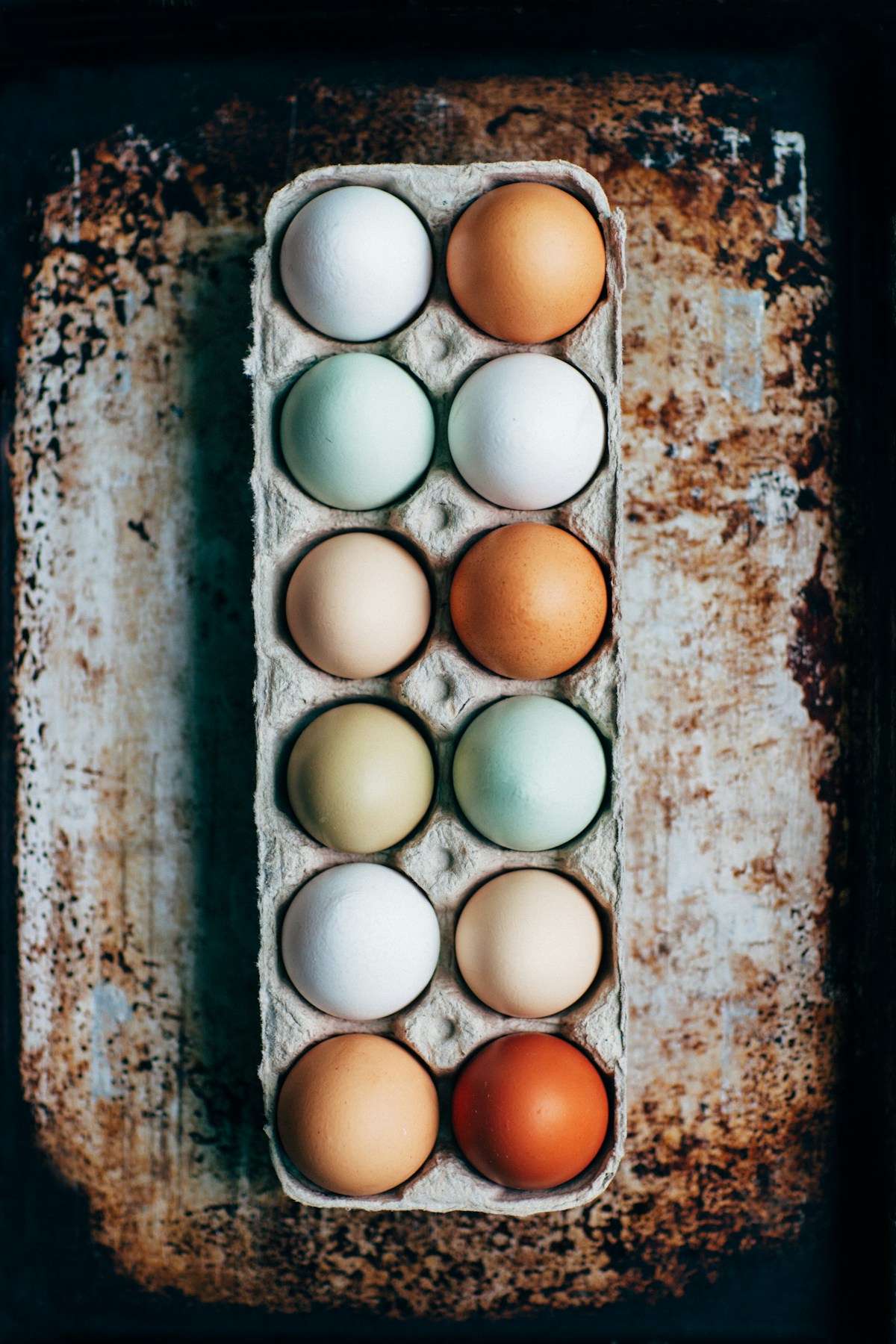
The great egg heist is finally over. After two brutal years of sticker shock that had shoppers glaring at cartons like they were luxury watches, retail egg prices have tumbled back toward something that resembles normal. And the reason isn't some government rescue plan or a viral social media boycott. It's biology, math, and a market that punished itself back into balance.
Let's rewind. In late 2022 and through 2023, the average price for a dozen large Grade A eggs in U.S. cities spiked above $4.80, with some regions crossing $7. A highly pathogenic avian influenza outbreak wiped out tens of millions of laying hens, cutting the national flock by roughly 10%. At the same time, feed costs, fuel, and labor all climbed. The result was the perfect egg storm — a staple food suddenly priced like a specialty item.
Then something predictable happened. Egg producers, staring at record profits, did what businesses do: they expanded. Rebuilding the flock took time — hens don't hatch fully grown — but by mid-2024, the national laying flock had recovered to pre-outbreak levels. More hens meant more eggs. More eggs meant falling wholesale prices, which eventually trickled down to your grocery aisle.
By early 2025, the national average for a dozen eggs had dropped below $2.50 in many markets, with some Midwest grocery chains advertising dozen-count cartons for under $2. That's a roughly 50% decline from the peak. Wholesale prices on the Chicago Mercantile Exchange fell even faster, signaling that retailers were still catching up to the deflation.
But here's where it gets interesting for investors and consumers alike. Egg prices are a rare case study in how a supply shock corrects itself — unless something interferes. The USDA has warned that avian flu never fully disappears. New outbreaks can emerge seasonally, especially as wild birds migrate. A single bad quarter could send prices spiking again. The difference now is that producers are leaner, more automated, and better prepared. Many large egg operations have invested in biosecurity and cage-free conversions, which cost money upfront but reduce outbreak risk and align with state mandates like California's Proposition 12.
So what does this mean for your wallet and your portfolio? For shoppers, the relief is real but fragile. Egg prices are historically volatile — more than most grocery items — because the supply chain is biological, not mechanical. You can't turn a hen on and off like a factory line. For investors, egg producers like Cal-Maine Foods (the largest U.S. producer) have seen earnings normalize after a blowout 2023. The stock is no longer a pandemic-era darling, but it remains a cyclical play tied to flock health and feed costs.
The bigger lesson is about inflation narratives. Eggs became a political symbol — a shorthand for "everything is expensive." But the data now show a different story: when a market is allowed to respond to shortage with supply, prices fall. That's not magic. It's chickens coming home to roost.
**The Bottom Line:** Egg prices are down because farmers rebuilt the flock and the panic faded. Enjoy the cheap omelets while they last — but don't bet on permanently low prices. In a world of bird flu and climate-driven volatility, the egg aisle will always be a wild card.